

Prosperity & Purpose
Why the Old Rules for Spotting Phishing Emails No Longer Work
Richard Preston · November 1, 2026
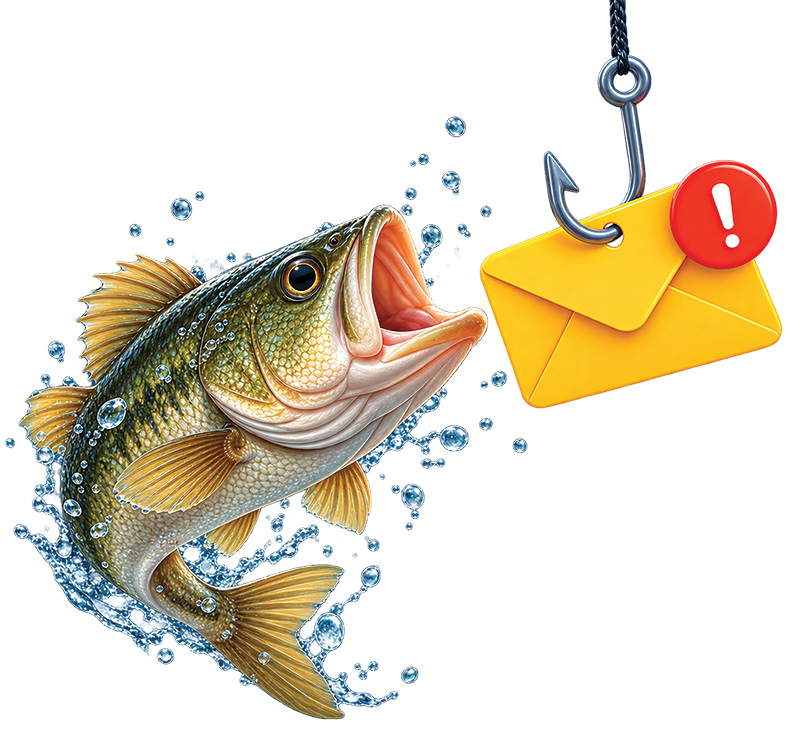
For years, cybersecurity awareness training followed a simple rule: If an email contained poor grammar, misspelled words, or awkward phrasing, it was probably a scam.
That advice is becoming increasingly outdated.
Artificial intelligence has changed the cybercrime landscape, giving attackers the ability to generate polished, professionallooking emails in seconds. “Most people still picture a scam email as something obviously fake,” said Richard Preston, president and CEO of Preston Office Solutions. “But those easy clues are disappearing. Today, a fraudulent message can use an employee’s real name, reference an actual vendor, sound like an executive, and look almost identical to the messages people receive every day.”
The Rise of Business Email Compromise
One of the most costly forms of cybercrime is business email compromise, commonly referred to as BEC. Unlike traditional phishing attacks that target large numbers of recipients, BEC attacks are highly targeted. Cybercriminals research their victims and craft messages designed to appear legitimate. A fraudulent email may instruct an employee to change a vendor’s banking information, approve a wire transfer, process an invoice, or purchase gift cards. Because the request appears routine, victims may not recognize the deception.
“In many cases, attackers spend time studying a company before they ever send an email,” Preston explained. “They learn who works with whom, how conversations normally happen, and what kinds of requests are common. That preparation makes the attack much more believable.”
When Criminals Take Over Real Accounts
Attackers may also gain access to legitimate email accounts, allowing them to read conversations, monitor business activity, and insert themselves into real transactions.
“If somebody breaks into an employee’s real mailbox, they don’t have to pretend to be that employee anymore,” Preston said. “As far as everyone receiving the email is concerned, they are that employee. They can see conversations, understand relationships, and send something at exactly the right moment.” And because messages originate from an authentic email address, this type of compromise can be difficult to detect.
Why AI Is Changing the Game
Employee awareness has long been a key defense against phishing, but AI is making it increasingly difficult to distinguish legitimate communications from fraudulent ones.
AI tools can generate professional correspondence without the errors employees were once taught to recognize. Deepfake technologies can also create realistic audio or video that appears to come from trusted individuals.
“The problem is not that people are becoming less careful,” Preston said. “The problem is that attackers have access to tools that make fraudulent communications look more legitimate than ever before.”
A Layered Approach to Defense
Many organizations are adopting layered security models to prevent attacks and detect compromises. Modern email security platforms can evaluate sender reputation, domain authenticity, suspicious links, dangerous attachments, and behavioral indicators. Additional safeguards can monitor unusual login activity, unauthorized forwarding rules, and suspicious mailbox behavior. Automated responses can help contain threats by terminating unauthorized sessions and preventing attackers from maintaining access.
The Human Element Still Matters
Despite advances in technology, cybersecurity remains a combination of technology, processes, and people. Employees should verify unusual requests involving financial transactions, banking changes, sensitive information, or urgent actions, even when they appear to come from trusted individuals. A brief phone call or secondary verification can often prevent significant financial loss.
“The goal isn’t to make people afraid of email,” Preston said. “Email remains one of the most valuable communication tools organizations have. The challenge is making sure businesses adapt their defenses as attackers continue to evolve.”
As AI reshapes cybersecurity and cybercrime, the old red flags are no longer enough. Protecting against modern threats requires employee awareness, advanced detection technologies, and an understanding that attacks may look indistinguishable from legitimate business communication.
For more information about how to protect your business, visit prestonoffice.com, call (435) 628-2997, or email admin@ prestonoffice.com.

ABOUT THE AUTOR: Richard Preston, owner and CEO of Preston Office Solutions in St. George, Utah, has been a trusted name in business technology for over forty years. Under his leadership, Preston Office Solutions has earned a solid reputation for exceptional sales, service, and support of office multifunction printers and large-format printing products across Southern Utah and southern Nevada. Preston Office Solutions is more than just a print solutions provider. As a dependable IT partner, the company delivers a comprehensive suite of technology products and services—all designed to support the success and growth of every client.
To learn more, contact Preston Office Solutions at 435-628-2997 or visit www.prestonoffice.com.